Farmers could soon see more generic pesticides, but the settlement does not totally ban Corteva’s loyalty rebates and does little to deter exclusive dealing in other markets.
Read More
Farmers could soon see more generic pesticides, but the settlement does not totally ban Corteva’s loyalty rebates and does little to deter exclusive dealing in other markets.
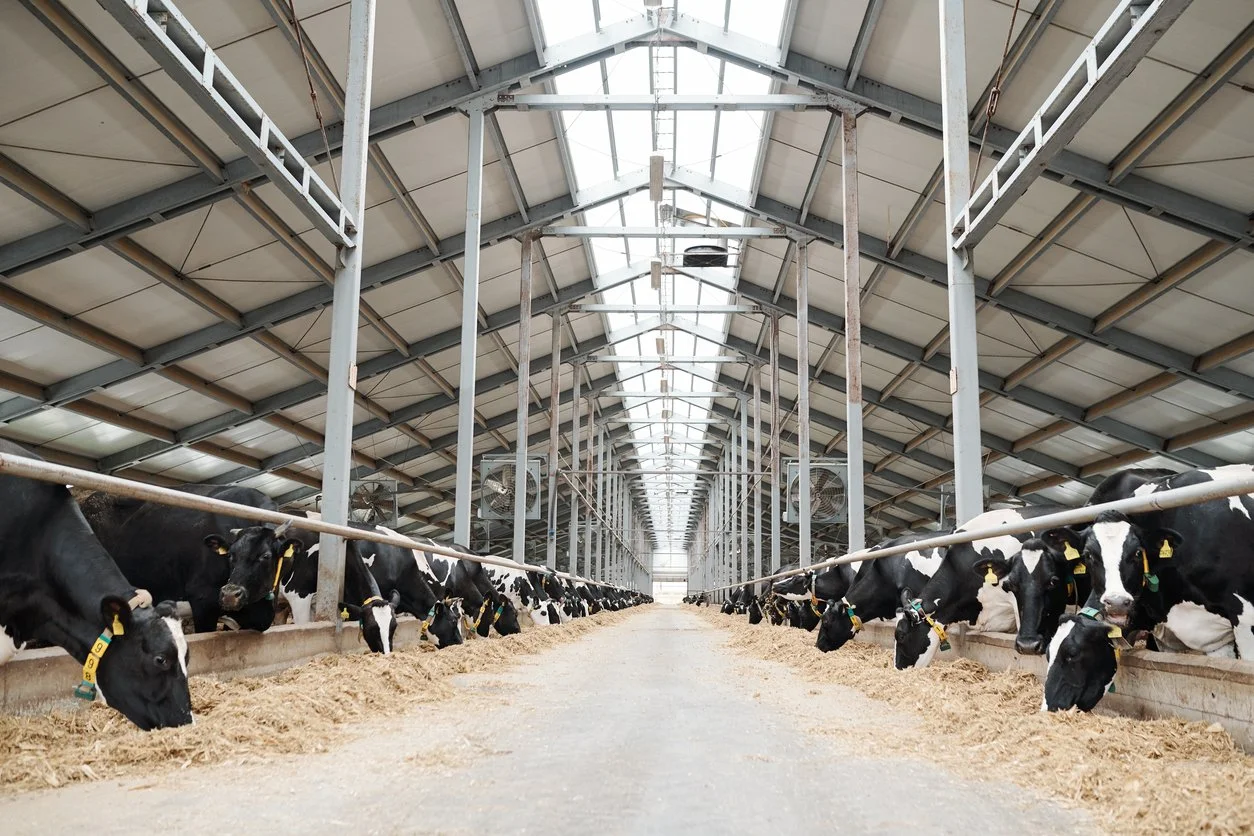
Read MoreFamily farms and environmental advocates worry that Riverview LLP’s enormous dairy operations will strain water resources, pollute local air and water, and drive out smaller farms, hurting rural communities.
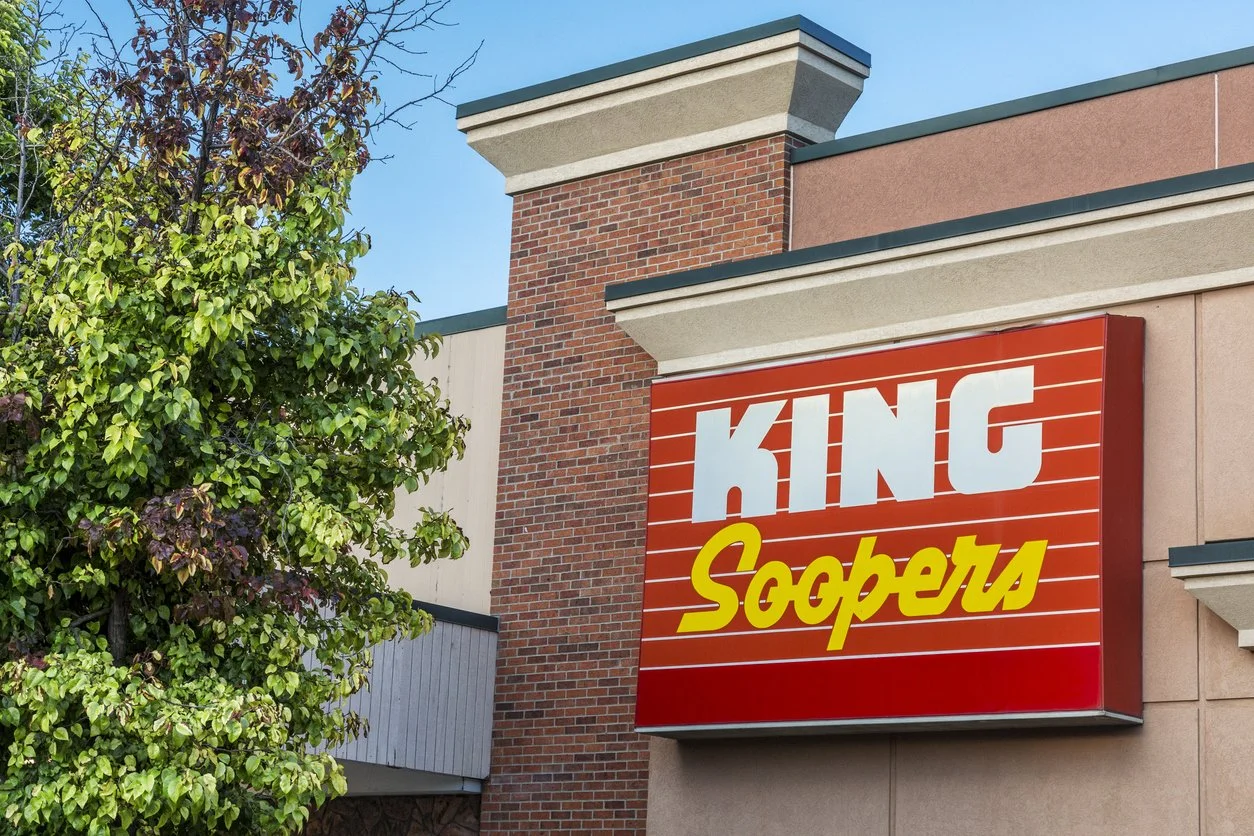
Read MoreAntitrust enforcers blocked Kroger’s takeover of Albertsons, but they’ve struggled to hold the grocers accountable for an alleged no-hire agreement. An unfavorable federal court decision risks undermining worker power in union contract negotiations.
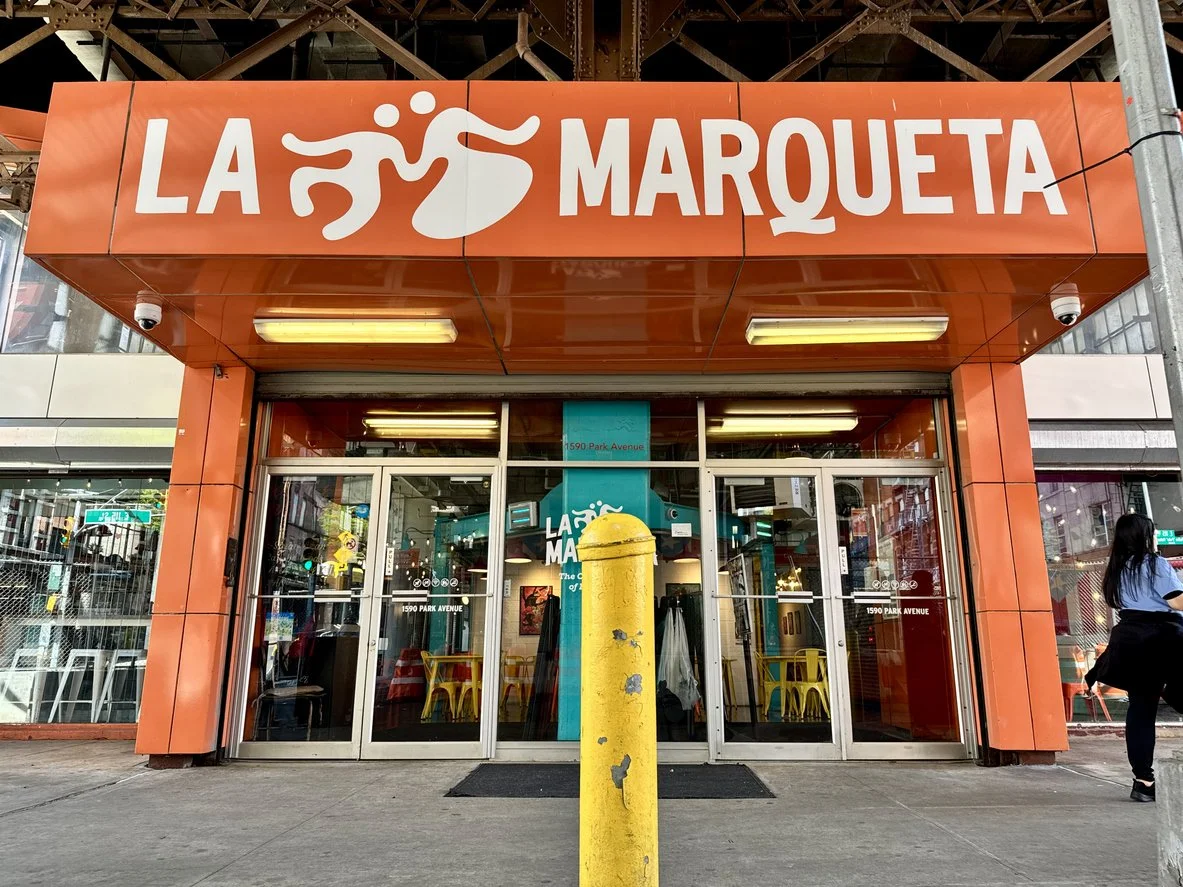
Read MoreIf Mamdani’s grocery experiment can survive the pilot stage, it’d benefit from more scale, public wholesale investments, and wraparound antitrust enforcement, helping public grocers and small private stores alike.
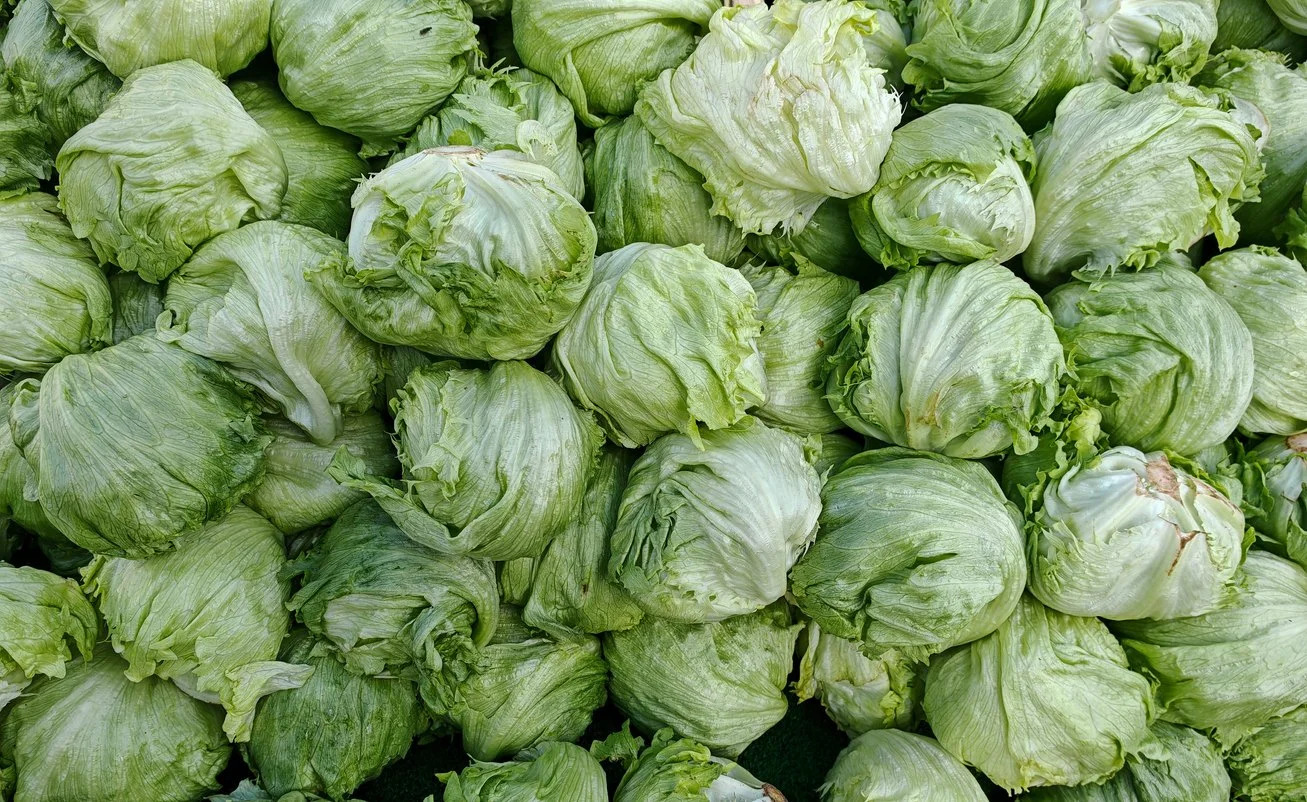
Read MoreWhile still without definitive proof, the FDA links states with the largest cyclospora outbreaks to lettuce from produce giant, Taylor Farms. Foodborne illnesses hit harder when one company controls so much of the food supply and corporate power threatens federal food safety standards.
Read MoreSmall dairy farms in the Northeast are struggling. 80 workers stand to lose their jobs as DFA closes a historic Vermont plant. Vermont Senator Peter Welch introduces legislation to stop the cycle of consolidation.
Read MoreThis flesh-eating parasite could further shrink a historically small U.S. cattle herd and raise beef prices. Politico reports that Trump’s funding freeze and staffing cuts delayed USDA’s response.
Read MoreThe Save Our Bacon Act is the latest attempt by the big meat lobby to override state-level animal welfare standards, which some independent farmers see as a critical new market opportunity to compete against dominant firms.
Read MoreDOJ announced that Bayer will stop problematic parts of its loyalty programs with seed breeders. Except Bayer voluntarily pulled these programs months ago. The agreement only pauses them for another 7 years. Advocates want more, meaningful guardrails.
Read MoreAdvocates hoped the Agri Stats case would set stronger limits on corporations that use a data-consultant to support collusion. State AGs felt a trial was too risky. The success of this complicated settlement hinges on a court-appointed monitor.
Read MoreUSDA’s proposal culminates a decades-long effort to shift inspection duties from government officials to plant worker and increase processing line speeds, benefiting industry.
Read MoreA group of small restaurant owners calls Sysco’s takeover of Restaurant Depot ”a gut punch to every neighborhood restaurant in America.”
Read More