
The Bigger the Corporation, the Bigger the Diarrhea Outbreak
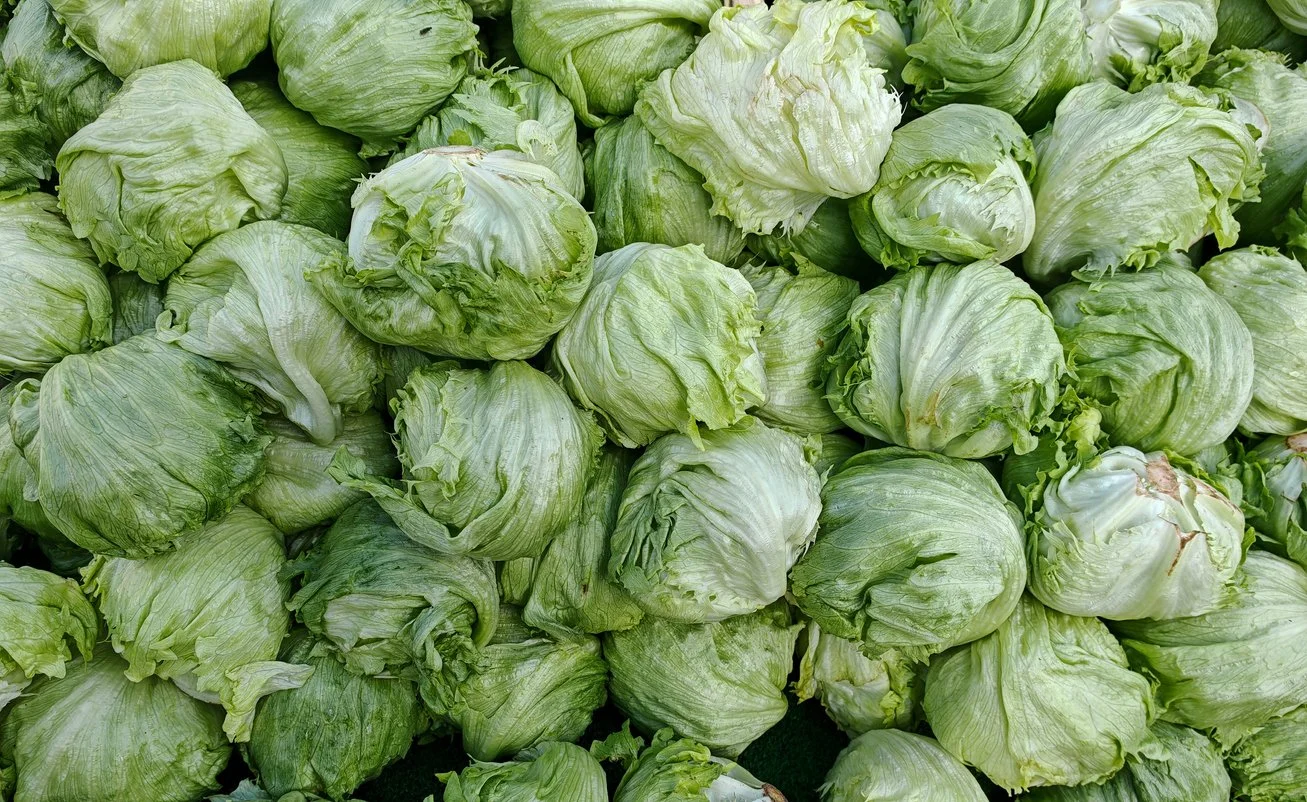
Photo by iStock/Kuzenkova_Yuliya
Thousands of Americans are suffering from severe diarrhea in what could be the largest foodborne illness outbreak in three decades. Federal officials still do not know how the cyclospora parasite contaminated the food or water supply, but epidemiological interviews link nearly 80% of the estimated 11,785 national cases to one major outbreak in five states — Michigan, Ohio, Indiana, West Virginia, and Kentucky.
Many of those who fell ill reported eating shredded lettuce from local Taco Bell locations, all of which sourced lettuce from Taylor Farms de Mexico, which was also the source of a cyclosporiasis outbreak in 2013 that sickened more than 600 people in the U.S. Taylor Farms’s larger international produce empire commands 40% of all U.S. salad kit sales and produces 265 million servings of vegetables each week.
The Food and Drug Administration (FDA) thought it had identified cyclospora in a sample of Taylor Farms lettuce, but it turned out to be a false positive. Nonetheless, Taylor Farms is still under investigation for the outbreak. The salad giant voluntarily recalled all its iceberg lettuce from Central Mexico in what they called “an abundance of caution.” On Sunday, Taylor Farms emphasized that the “FDA has not identified a single positive product test result for cyclospora” and committed to work closely with health officials through their investigation.
The fact that lettuce from one farm or one shredding facility could possibly have sickened thousands demonstrates the dangers of concentrating food production among a few large corporations. But the risks of corporate power run even deeper. Taylor Farms and other large produce corporations have long exerted political power to weaken food safety regulations, contributing to crises like this one. Taylor Farms representatives even met with the White House last week in an effort to distance the company from the outbreak, according to The New York Times. Recent budget cuts to federal and state health agencies further diminish the government’s ability to hold corporations accountable and protect consumers.
Cyclospora is a particularly nasty parasite that typically traces back to feces-contaminated water used on crops or in food processing. People with cyclosporiasis may suffer from cramps, nausea, and diarrhea for a few days to one month, or more. The trouble with cyclospora is that it is hard to fully wash off or kill with disinfectants, including chlorine. Smaller cyclospora outbreaks typically happen every year starting around July, as the parasite becomes infectious when it’s warm out. But the sheer size of this year’s outbreak is unprecedented.
Cyclospora incubates in its host for days, even weeks, before people fall ill, making it extra difficult to identify when someone ingested the parasite or from what. Further, the parasite is hard to grow in a lab or genotype, key tools public health experts rely on to sample, trace, and investigate foodborne illness. Add this inherently tricky traceability to a recently gutted federal workforce, and you get a recipe for dysfunction, uncertainty, and errors like the FDA’s false positive test.
The FDA and Centers for Disease Control (CDC) have lost a combined 7,200 staff or over 20% of their workforce since Trump took office. The Trump administration also cut $11.4 billion in CDC grants to state health departments, reducing their capacity to respond to disease outbreaks. A coalition of food safety advocates and food industry representatives is reupping their call to Congress to restore federal food safety funding. Minnesota Senator Amy Klobuchar similarly urged the CDC and FDA to restore both federal and state-level food safety funding and staffing.
Experts suspect that there are multiple, simultaneous cyclospora outbreaks from different sources and the FDA has opened five separate cyclospora investigations since June. Public health experts have not determined the sources of these outbreaks. However, by analyzing hundreds of interviews, officials linked the largest outbreaks across five states to shredded lettuce from Taco Bell and its lettuce provider, Taylor Farms.
Taylor Farms is one of the largest produce corporations in the world with facilities across North America and Western Europe, selling more than $7 billion worth of produce a year. Taylor Farms provides lettuce, salad mixes, and bagged produce for restaurants and grocery stores such as Walmart, Costco, Whole Foods, Target, Trader Joe’s, McDonald’s, and, of course, Taco Bell. The lettuce giant has acquired several businesses over the years, including the organic brand Earthbound Farm and leading UK salad maker Natures Way Foods, plus a 16% stake in a regional bank, Pacific Valley Bancorp. It directly owns some farms that grow 25% of its vegetables and procures the rest from 280 independent farms under contract.
Taylor Farms prides itself on food safety innovations, but it has a checkered past. In addition to the 2013 cyclospora outbreak, Taylor Farms was linked to a 2024 E. coli outbreak from McDonald’s onions that sickened over 100 people and killed one person.
Concentrating too much of the food supply in too few hands is both logistically and politically threatening, as increasingly powerful corporate giants exert influence over food safety regulations. In 2012, the produce industry successfully lobbied to kill the USDA Microbiological Data Program, which regularly sampled high-risk produce, including lettuce, for pathogens. The program accounted for 80% of public produce pathogen testing in 2012. Industry claimed the program was not preventative or effective because it sampled products already in commerce, so recalls hit after most products’ expiration date. But food safety experts say the program created a helpful track record and prevented some outbreaks, such as a 2012 Listeria contamination in North Carolina cantaloupe just one year after Listeria-tainted cantaloupe killed 33 people.
More recently, the produce industry pushed to delay implementation of a new Food Traceability Rule from January 2026 to July 2028, which would have increased recordkeeping requirements for some foods, including leafy greens, and provided government agencies more critical information to navigate this very crisis.
Taylor Farms looms especially large in the produce industry. Its founder, Bruce Taylor, served as the inaugural chairman for the International Fresh Produce Association, formed in 2021 through a merger of two major produce trade associations. Taylor has also personally donated more than $1 million to Republican-aligned election funds over the past twenty years. Taylor Farms donated $1 million last year to President Trump’s super PAC, MAGA Inc., and another $1 million to a fund for Republican House candidates. Perhaps this is how Taylor Farms representatives were able to land a meeting with the White House and FDA last week, during which an anonymous source told The New York Times that “company executives sought to distance the company from the outbreak and cast doubt on the officials’ conclusion.” A spokesperson for Taylor Farms told The New York Times that their meetings focused on improving public health and “shortfalls in the F.D.A. and C.D.C.’s outbreak response process.”
What We’re Following
Lawmakers introduced four agriculture competition policy bills over the last two weeks:
The Fair Seeds for Farmers Act, introduced by Representatives McGovern and Casar, would ban contracts that prohibit seed saving or seed research and end the use of utility patents for plants and seeds.
Senator Welch led Senate colleagues in reintroducing two major bills: First, the Fairness for Small-Scale Farmers and Ranchers Act would put a moratorium on large food industry mergers, direct antitrust enforcers to review and unwind past harmful mergers, provide more resources for beginning farmers, and implement fair competition rules, including updates to the Packers and Stockyards Act. Second, the Agricultural Worker Justice Act would improve wages and working conditions for meatpacking workers by enhancing OSHA oversight and requiring corporations that contract with USDA to provide wages at a regional prevailing wage rate.
Representatives Jayapal, Deluzio, and Ryan introduced a House companion to the Senate’s Family Grocery and Farmer Relief Act, which would break up the largest meatpacking corporations.
Disclosure: The Open Markets Institute formally endorsed the Fair Seeds for Farmers Act and the Family Grocery and Farmer Relief Act, and previously endorsed a predecessor to the Fairness for Small-Scale Farmers Act.
What We’re Reading
Agricultural pollution and rising cancer rates in Iowa are drawing some voters to Democrats, specifically a breakout state secretary of agriculture candidate. (Politico Magazine)
An investigation by Lighthouse Reports and Le Monde found that one dominant processor slaughters more than 1 in 3 cattle in France. Industry consolidation is hurting small French cattle farmers, increasing the spread between what consumers pay and farmers receive, and ballooning corporate profits. (Lighthouse Reports)
Tariffs are not driving up beef prices, and imports haven’t lowered them; instead, Rethink Trade argues that corporate-driven trade agreements and industry consolidation are responsible for higher prices and a shrinking U.S. cattle herd. (American Economic Liberties Project and Rethink Trade)