
What to Watch As Screwworm Enters U.S.
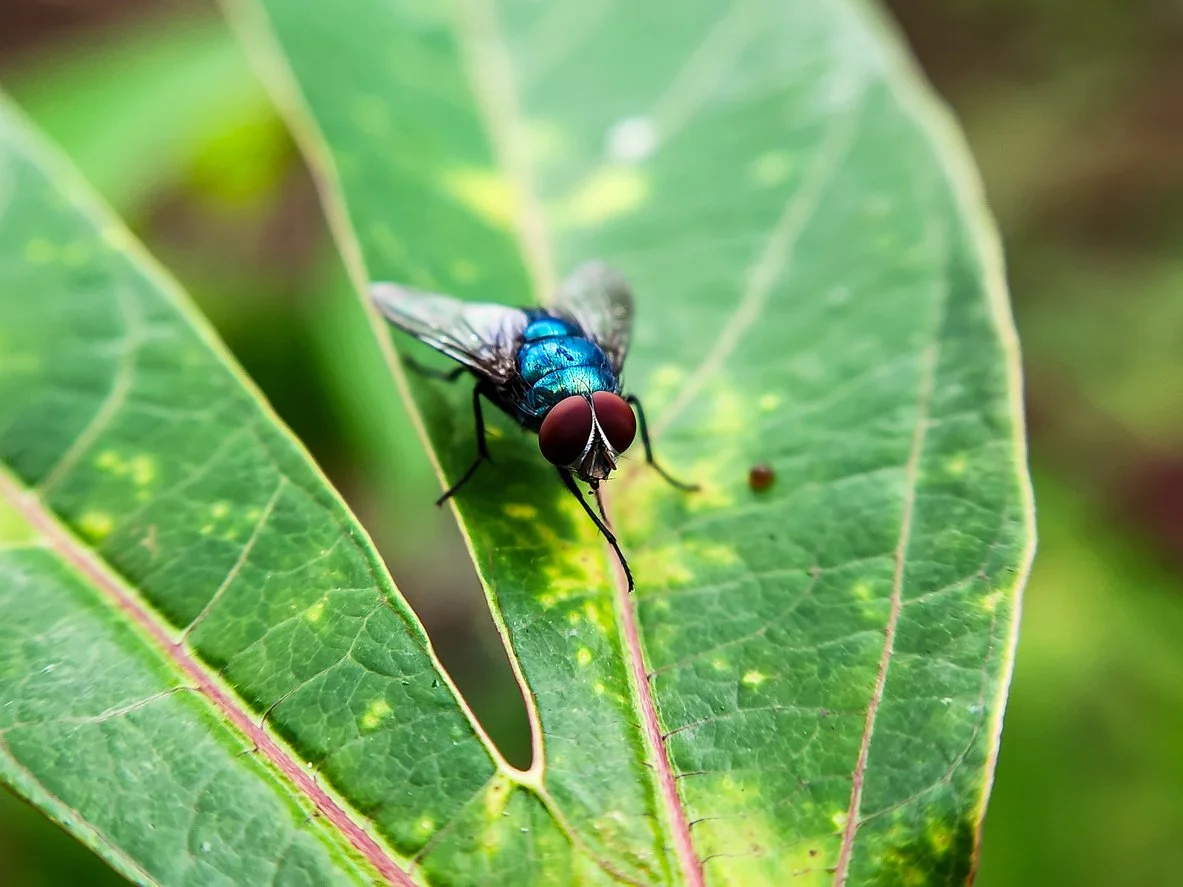
Photo by iStock/Dinar Bud
For the first time in over 40 years, a flesh-eating parasite that can kill a cow in one week has been detected on a U.S. farm. The U.S. Department of Agriculture (USDA) confirmed earlier this month that a calf in Texas was infected with New World screwworm. The parasite has been working its way north since 2022, and USDA has been preparing to fight back. Recent reporting reveals that the Trump administration’s staffing cuts and federal spending scrutiny may have slowed this federal response. USDA contends that it has increased screwworm staffing and moved quickly.
As the pest spreads through the U.S., it could shrink the U.S. cattle herd even further and increase beef prices. Screwworm has already contributed to the historically tight cattle supply and high beef prices by almost entirely shutting down live cattle imports from Mexico since late 2024. Antitrust enforcers must be vigilant in case packers use the crisis to raise prices beyond their increased costs of procuring cattle.
Cattle, sheep, and goat farmers near the border stand to bear the biggest brunt of a screwworm infestation. Screwworm can cost farmers thousands in lost animals, decreased production, costly monitoring, and treatment expenses. USDA estimated in 2024 that screwworm would cost Texas livestock producers, alone, $732 million a year. Historically, the pest mostly resided in the Southern U.S., but it can survive farther north under the right conditions.
The New World screwworm is actually a fly, not a worm, and its flesh-eating larvae are the killers. Unlike other flies, screwworm flies lay their eggs in living, warm-blooded animals. Screwworm larvae get their name for their sharp mouths, which can bore (or screw) into their host’s flesh, creating large, painful, foul-smelling wounds that invite other fly infestations, tissue damage, and bacterial infections. Screwworm primarily targets cattle, but they can also infest the wounds and orifices of wildlife, pets, and, in rare cases, humans. Infestations are treatable if caught early; however, since screwworm flies can lay eggs in wounds as small as a tick bite, they can be hard to spot. Newborn calves are particularly vulnerable. Left untreated, animals can die from a screwworm infestation in one to two weeks, whereas rare human infestations are generally treatable except in unique cases. Screwworm does not pose a food safety concern.
The CDC assures that the current risk of screwworm to humans is very low, and risks to animals remain isolated to a few regions in Texas and New Mexico, where 20 animal cases have been confirmed. This is not the first-ever instance of screwworm in the U.S.; the pest used to be a regular agricultural nuisance decades ago. Starting in the 1950s, the U.S. successfully collaborated with Mexico and Central American governments to eradicate New World screwworm by releasing billions of sterile flies, preventing the pest from reproducing. This effort effectively eliminated screwworm in the U.S. by 1982 and continued southward to eradicate screwworm throughout Mexico and most of Central America by the mid-2000s.
Since then, the U.S. and its partners have dropped millions of sterile flies every week out of planes over the Darien Gap along the Panama-Colombia border to keep screwworm at bay. But screwworm broke through this longstanding barrier in 2022 and started spreading north through Central America, picking up steam in 2024. It is not clear how screwworm started spreading north. Some believe COVID-19 disrupted sterile fly production and cross-border cattle inspection, others say female flies stopped mating with a less-fit batch of sterile male flies, and yet more blame increased immigration across the Darien Gap. Screwworms’ rapid spread from Central America to Mexico appears connected to the illegal cattle trade between the regions.
The U.S. has increased production of sterile flies, but it is still not enough to cover this much larger battle front and beat back the spread. Politico recently reported that President Trump’s efforts to scrutinize federal spending slowed construction of a new sterile fly production facility and implementation of a $100 million screwworm prevention research fund. Former USDA staff told Politico that the new facility, set to open this fall, could have opened this spring and lent an additional 60 to 100 million weekly sterile flies to the eradication effort had the Trump administration not spent four months reviewing the Biden-approved funds.
DOGE staffing cuts also diminished USDA’s Animal and Plant Health Inspection Service (APHIS), the division in charge of handling pest and disease outbreaks. APHIS staffing fell 25% in 2025, as many took the DOGE voluntary buyout. USDA also lost 13 of its 23 area veterinarians, regional leaders of USDA veterinarians who get the first call when a new pest is detected in their area. Former USDA officials told Politico that these losses make it harder for USDA to fight screwworm. Last year, an anonymous source told Agri-Pulse that DOGE-driven USAID cuts also ended UN Food and Agriculture Organization programs that helped monitor and contain screwworm in Central America.
At a recent Senate Agriculture Committee hearing, USDA Secretary Brooke Rollins said staffing cuts have not diminished the agency’s screwworm response and claimed that USDA has increased full-time staff working on screwworm from 10 to over 120. USDA has been preparing for the arrival of screwworm for over a year, stockpiling treatments, fast-tracking emergency use authorization for new pesticides and medications, and deploying response staff to Texas.
After months of anticipation, the first case of screwworm in the U.S. created some volatility in cattle markets, but not much, which is to be expected given the tiny number of U.S. cattle yet affected. “Unless we see that the outbreak spreads rapidly, which it hasn’t done yet, there should be minimal market reactions to this,” explains CEO of R-CALF, Bill Bullard. Bullard noted that the closure of the southern border to live cattle imports from Mexico, to stop the spread of screwworm, has had a bigger impact on cattle markets and consumers, contributing to rising beef prices in recent years.
While cattle markets remain relatively stable, commodity regulators and antitrust enforcers must be vigilant of concentrated packers abusing the spread of screwworm to raise beef prices beyond their increased cost of production. In the egg industry, the largest egg producer, Cal-Maine, has been accused of manipulating a price index during the bird flu outbreak to drive up prices well beyond what economic models would predict given the decrease in supply. Just four packers process between 80 to 85% of all U.S. cattle.
What We’re Watching
The Fair Trade Practices Program within USDA’s Agricultural Marketing Service (AMS) oversees select food labeling laws, fruit and vegetable fair trade regulations, government commodity storage agreements, and enforcement of the Packers and Stockyards Act. USDA recently announced that it will move commodity-specific functions out of the Fair Trade Practices Program and into their respective AMS commodity programs. Fruit and vegetable fair trade enforcement (under the Perishable Agricultural Commodities Act) will move into the AMS Specialty Crop Program, and the Packers and Stockyards Division will move to the AMS Livestock and Poultry Program. The move could streamline operations and increase AMS commodity staff engagement in competition policy. But it also poses a conflict of interest, particularly for Packers and Stockyards enforcement, as AMS’s Livestock Program works with packers to promote meat products and collects fees from packers for grading services. (USDA)
What We’re Reading
The Senate Agriculture Committee finally released its draft of the Farm Bill: the bill does not include the controversial Save Our Bacon Act, though it also does not delay shifting SNAP costs to states, which will likely result in cuts to benefits. (Civil Eats)
Pollution from concentrated hog farms and industrial monocrop production is contaminating Iowa’s water with nitrates, which may explain the state’s unique rising cancer rates. (More Perfect Union)
In a 7-2 decision, the Supreme Court sided with Bayer’s Monsanto to limit pesticide corporations’ liability for failing to warn users that their products may cause cancer. (CNBC)