
Independent Farmers Worry About a Farm Bill Effort to Preempt State-Level Livestock Standards
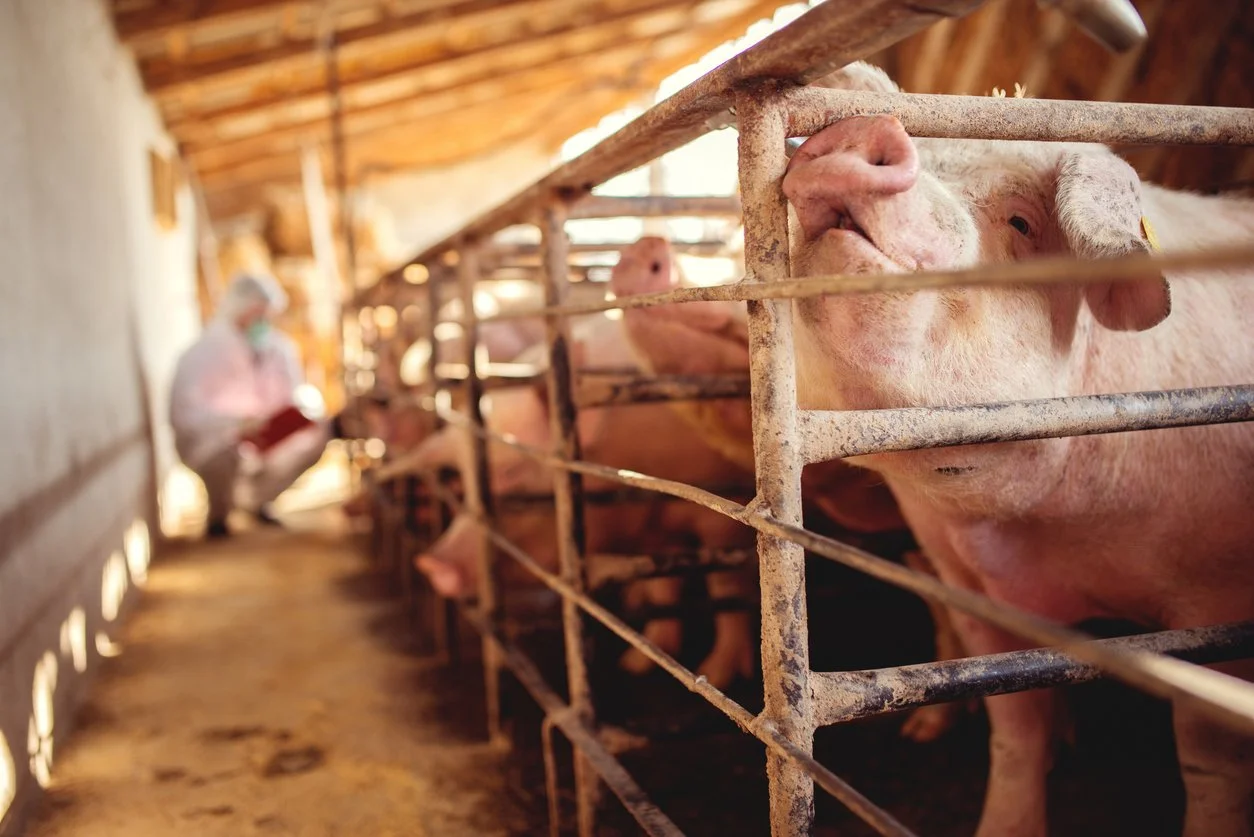
Photo by iStock/dusanpetkovic
The Farm Bill process is moving again after years of delay; the last Farm Bill, passed in 2018, technically expired in late 2023. The Republican-controlled House passed its version of the bill in late April. Now Senate Republicans say their draft could drop as soon as next week and move into a markup later this summer.
Animal welfare and livestock competition advocates are watching to see if one provision makes it into the bill text or sneaks in through a markup: the Save Our Bacon Act.
The Save Our Bacon Act is the latest attempt by the big meat, egg, and dairy lobby to override local laws requiring higher animal welfare standards for products sold to certain states, namely California’s Prop 12 and Massachusetts’s Question 3. It follows in the footsteps of similar, failed legislation, including the EATS Act and King Amendment.
Proponents, such as the National Pork Producers Council and Iowa Senators Joni Ernst and Chuck Grassley, argue that complying with different state-level livestock production standards is costly and burdensome for farmers. California’s Prop 12 requires that pork sold in the Golden State must come from hog farms that do not keep breeder sows in small, individual stalls, called gestation crates. The NPPC argues that barn upgrade costs will hit smaller pork producers hardest and raise pork prices for consumers.
However, some small livestock producers argue that these state laws provide marketing opportunities for them to meet the higher welfare standards that dominant corporations refuse to. Overturning these laws now would undermine investments they’ve made to comply and benefit large corporations, such as Smithfield, that are pushing to avoid state-level regulations. Some independent hog producers even say that Prop 12 is helping them stay in business by increasing demand for hogs raised without confinement. “It’s been an opportunity for us, and it’s been a success for us, and this would take it away. It’s awful,” Brent Hershey, a Pennsylvania hog farmer, told the factory farm-focused publication, Sentient.
Just four corporations process 70% of all pork in the U.S. Processor concentration, the loss of competitive hog auctions, and the shift to consolidated, confined pork production decimated independent U.S. pork producers. Between 1982 and 2017, the nation’s top pork-producing state, Iowa, lost nearly 90% of its hog farms, even as pork production increased. Production shifted to fewer, larger farms. In the mid-1980s, half of all farm hogs lived on farms with 1,200 animals or less. By 2017, half of all hogs lived on farms with 51,300 hogs or more.
The potential impacts of the Save Our Bacon Act extend beyond confinement standards. A legislative analysis by Harvard’s animal law program found the bill could affect over 600 state laws and regulations related to the livestock industry, from disease prevention measures to food safety standards. This includes state-level import restrictions designed to prevent pest spread, a top-of-mind concern with confirmed cases of New World screwworm in Texas and New Mexico.
Senate Agriculture Committee Chairman John Boozman has indicated that the Save Our Bacon Act will not be in the forthcoming farm bill text. However, it is likely that a Senator tries to introduce the provision as an amendment in the bill markup. Democrats’ main Farm Bill priority is to address cuts and states’ cost-sharing requirements for SNAP, which a Republican-controlled Congress controversially passed through budget reconciliation last year. It remains to be seen if the Save Our Bacon amendment will be another line in the sand; the proposal has some bipartisan opposition.
The National Pork Producers Council already brought a challenge against Prop 12 all the way to the Supreme Court, arguing that the law illegally restricted interstate commerce. The Supreme Court upheld the legality of Prop 12. In his majority opinion, Justice Neil Gorsuch wrote, “While the Constitution addresses many weighty issues, the type of pork chops California merchants may sell is not on that list.”
What We’re Reading
11 Democratic Senators sent a letter to USDA asking for information on agency staffing losses and how capacity cuts may impact the ability to contain New World screwworm. (Letter)
USDA released an action plan aimed at improving food safety support services for small meat processors and announced $60 million for a fourth round of grants for independent meat and poultry processors, first introduced during the Biden administration. (USDA)
Testing by Consumer Reports reveals that several popular grocery snacks, including Jell-O Pudding, Gushers, and Flamin’ Hot Cheetos, contained high levels of additives associated with an increased risk of cancer, heart disease, or diabetes. For instance, they found that one serving of Hostess Powdered Mini Donuts “contained nearly 19 times the amount of a carcinogenic contaminant than public health officials have said is safe to consume daily.” (Consumer Reports)