
Distribution Giant Sysco Wants to Take Over a Lifeline for Small Restaurants
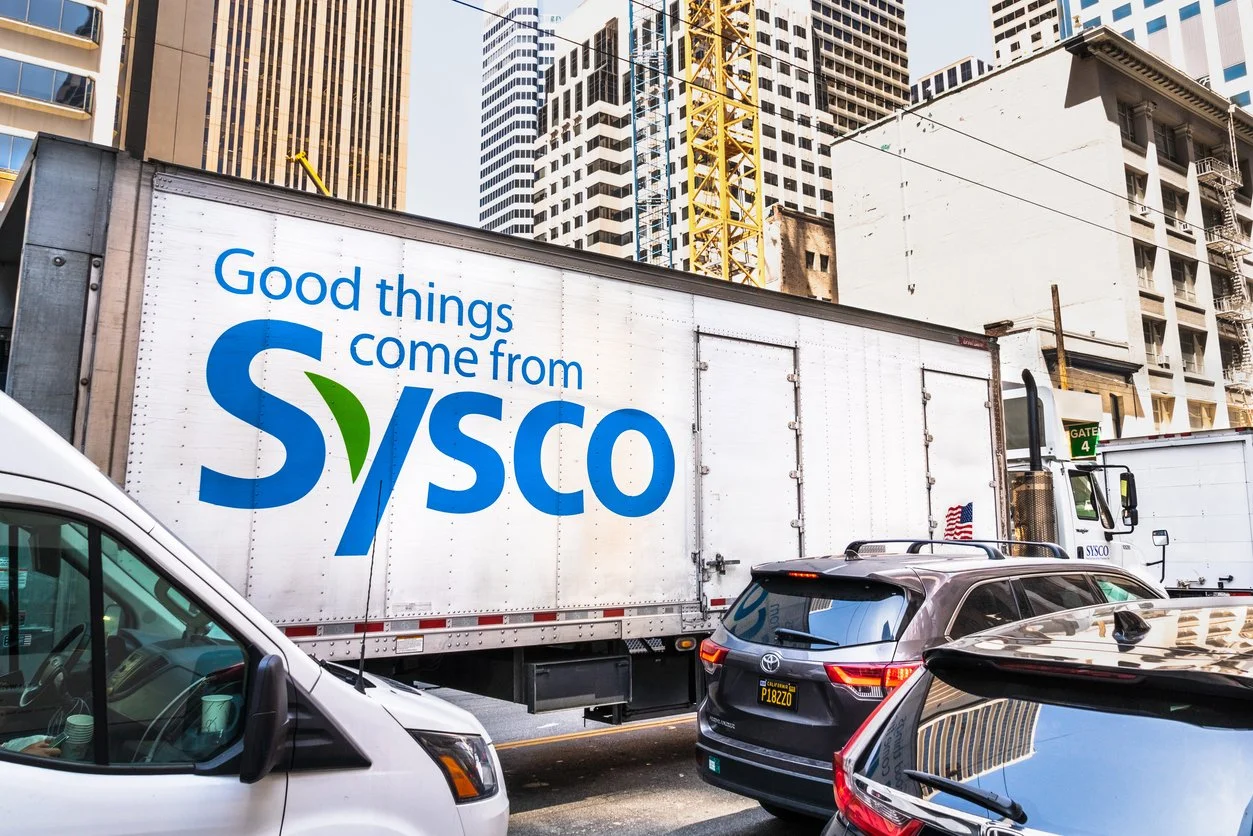
Photo by iStock/Sundry Photography
Dining out costs 35% more today than it did in 2020, and a major food industry merger could raise prices even more at your local neighborhood restaurant. Restaurant supply giant Sysco wants to acquire Jetro Restaurant Depot, a low-cost “cash-and-carry” retailer that offers a no-frills warehouse experience, like a Costco for restaurateurs.
Eliminating this key competitor will give Sysco more power to raise prices, squeeze suppliers, and restrict options, hitting mom-and-pop restaurants and local food systems hardest. A group of independent restaurant owners is urging the Federal Trade Commission (FTC) to block this deal.
“For decades, Restaurant Depot has been the great equalizer for independent restaurants, the place where a small operator could walk in and get the same price as everyone else, no contract, no negotiation, no leverage required,” said Erika Polmar, the executive director of the Independent Restaurant Coalition (IRC), in a statement. “Sysco’s acquisition of Restaurant Depot doesn’t just limit competition, it changes the playing field entirely in Sysco’s favor, leaving independent restaurants with fewer real choices.”
Since its formation via a nine-way merger in 1969, Sysco has sought to consolidate the once regional, decentralized foodservice distribution market. Sysco has acquired over 100 companies and today controls 17% of all foodservice distribution and 35% of what’s called broadline distribution. Unlike specialty distributors, which might carry just seafood or produce, broadliners are a one-stop shop for all foods, beverages, paper products, equipment, and other restaurant supplies. Sysco serves over 700,000 foodservice customers, including many independent restaurants. The company has a mixed customer service reputation, at best, and offers preferential pricing for its largest customers at independents’ expense.
Jetro Restaurant Depot, commonly known as just Restaurant Depot, provides a critical alternative for small restaurants. Serving more than 725,000 foodservice customers across its 166 locations in 35 states, Restaurant Depot is the largest cash-and-carry restaurant supplier by far, with an estimated 60% of the market. By saving on delivery and service costs, the chain can save restaurants roughly 25% on goods compared to broadline distributors like Sysco.
“Restaurant Depot would always have the cheapest price, across the board,” Minneapolis restaurant owner, Nat Moser, told The Racket. “If you look at the same product between every single food purveyor, whether it’s Sysco, US Foods, Performance Food Service—Restaurant Depot is the cheapest.” Small restaurant owners say Restaurant Depot is a lifeline for affordable goods, last-minute needs, and basic supplies when they cannot meet large distributor order minimums. Large distributors charge different customers different prices, but at Restaurant Depot, anyone with a food business license can walk in and pay the same price.
Sysco representatives argue that the takeover will not eliminate a direct competitor because Restaurant Depot operates a different business model that serves different customers. The IRC disagrees and says many restaurant owners price shop between both wholesalers. “That substitution behavior is the definition of a competitive market,” the IRC said in a statement. “Eliminating one side of it is the definition of anticompetitive consolidation.” As it stands, Polmar says that the presence of Restaurant Depot allows small restaurants to gauge what’s a fair price and negotiate better prices with Sysco reps.
Sysco has every incentive to eliminate this competition and raise prices at Restaurant Depot and its broadline business. With nowhere left to turn for a better deal, restaurants will pay more for food and likely pass price hikes on to customers. Polmar says independent restaurants are already struggling with rising costs and shrinking margins, making this merger “a gut punch to every neighborhood restaurant in America.”
More wholesale consolidation also spells less food variety and weaker regional food systems. While Sysco claims the merger will improve variety at Restaurant Depot, its corporate executives have a track record of rationalizing stocking and suppliers. Writer and chef Milena Pagán predicts that Sysco will cut product variety at Restaurant Depot, limiting choice to drive sales to the most profitable brands and Sysco’s own products. She based her forecast on first-hand experience, having worked in retail merchandising at CVS under Judy Sansone, who is now Sysco’s Chief Commercial Officer and who followed a similar model at the pharmacy chain. Steering customers to its in-house products is a key part of Sysco’s business model. In 2024, Sysco brand products made up 36% of Sysco’s U.S. broadline business sales and an even larger portion of its independent restaurant sales.
As Sysco pushes its products, local farms and food businesses face a greater hurdle to get on a Sysco truck. Local food providers are largely cut off from national distribution channels like Sysco and rely on regional wholesalers, food hubs, or direct relationships with restaurants to access markets. More consolidation and product rationalization make this worse. Plus, the health of local food systems is tied to the health of independent restaurants, whose costs are about to go up.
Sysco claims this merger will help cut costs, but even if it does help Sysco squeeze more out of its suppliers, there’s no guarantee it will pass savings on to customers. Sysco will take on a lot of debt to finance this deal, and analysts are skeptical that its investment will pay off. Competing broadliner US Foods bought a cash-and-carry chain in 2020 only to talk about selling it in 2024, arguing the benefits of expanding into cash-and-carry were “very limited.” This suggests there are few operational efficiencies in this type of vertical integration, but the primary benefit for Sysco may be eliminating competition and building its market power.
The Independent Restaurant Coalition is asking the Federal Trade Commission to block this merger. The FTC stepped in in 2015 to block the proposed merger between Sysco and US Foods, but Sysco is banking on the fact that Restaurant Depot is not another broadline distributor. The FTC under Trump is less skeptical of mergers and more motivated by the President’s personal or political grievances, particularly since the bipartisan five-person commission has been whittled down to just two Republican commissioners.
What We’re Reading
JBS reached a deal with UFCW Local 7 this week to end a three-week strike at JBS’s massive Greeley, Colorado, plant. Meatpacking workers have not led a strike on this scale in over 40 years. Reporter and author Ted Genoways provides critical context and first-hand accounts of this historic action. (Food & Environment Reporting Network)
John Deere will pay $99 million to settle claims that it illegally monopolized and restricted repair of its machinery. Critics contend that the fine pales in comparison to the $4.2 billion in annual estimated costs of repair restrictions for farmers. The settlement requires Deere to make repair tools available, but at least one antitrust lawyer has already identified loopholes in the agreement. The FTC still has an outstanding case against Deere for similar conduct. (Farm Progress/PIRG)
Deere isn’t the only agribusiness giant seeking an easy antitrust settlement; an attorney for AgriStats, the data analysis firm at the heart of an alleged meat price-fixing conspiracy, recently told a judge that the corporation is “increasingly optimistic” about reaching a settlement with the Department of Justice ahead of its trial, which is scheduled to start early May. (Meatingplace)