
Rising Prices and Deceptive Deals Stress Shoppers this Thanksgiving
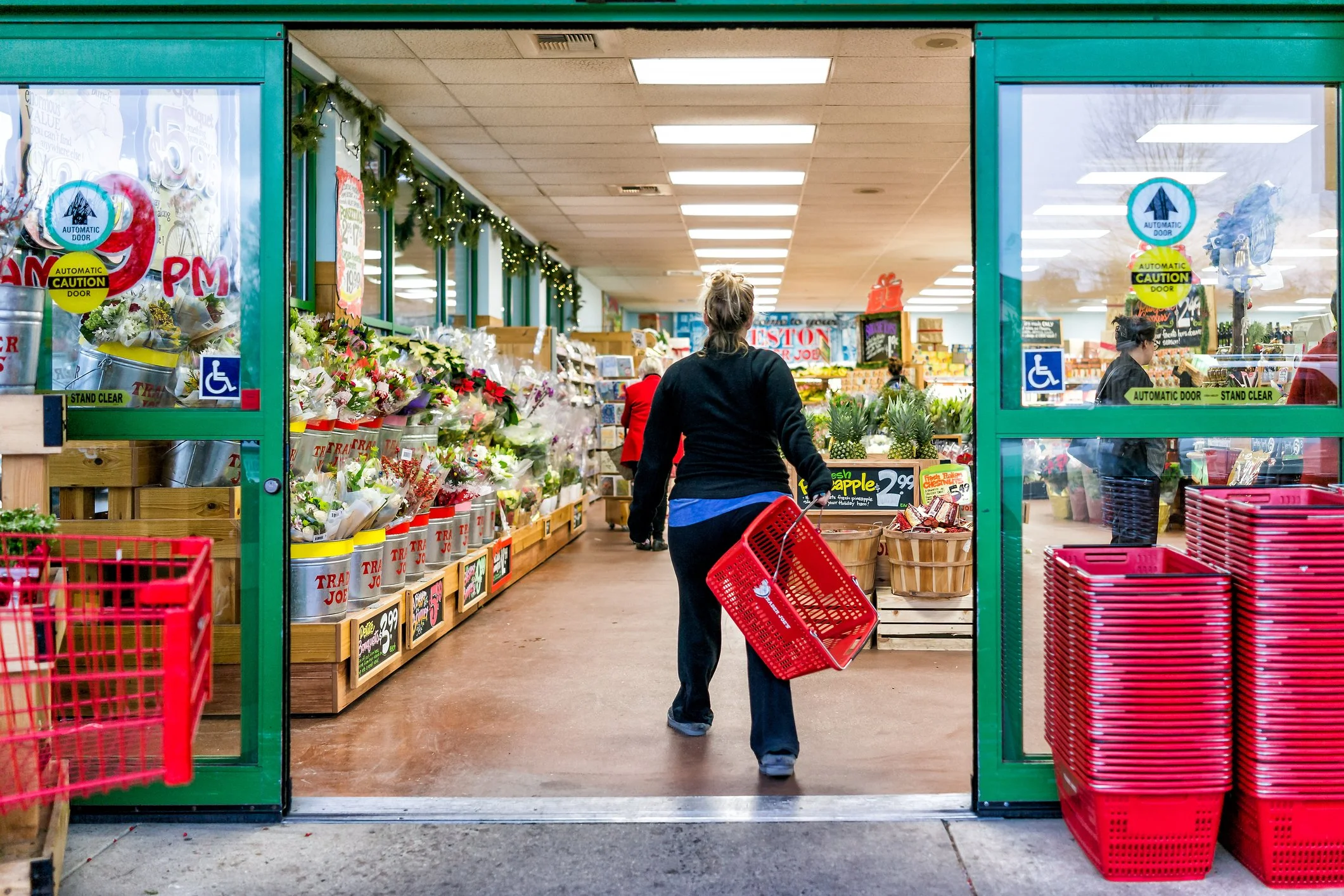
Photo by iStock/krblokhin
Families are pressed to put food on the table this holiday season after years of persistent inflation. A recent online survey of 2,000 Americans found that one-third felt financially strained hosting Thanksgiving and one in five planned to finance the holiday with “buy now, pay later” loans. Recent reports find that Thanksgiving food prices continue to rise due to supply chain disruptions caused by bird flu, tariffs, and war in Iran. Black Friday promotions claim to provide some relief, but new research finds nearly a third of seasonal “deals” promoted on Amazon last year provided no actual savings.
Talking Turkey
The Groundwork Collaborative and The Century Foundation estimated that a full Thanksgiving meal costs 11% more this year than last, with particularly high price hikes for packaged goods like canned soups, stuffing mix, and aluminum foil. The Farm Bureau, which has tracked the average price of a Thanksgiving meal for 40 years, estimated the cost of cooking a Thanksgiving dinner increased 6% this year, after three years of decreasing relative to a 2022 pandemic peak.
Turkey prices are up between 10-26% as record diesel prices increase the cost of producing animal feed and the national turkey flock struggles to recover from bird flu. Last year, Food & Power explained how turkey farm consolidation made a bad bird flu outbreak even worse for shoppers. Other price increases stem from tariffs raising the cost of cans and aluminum and disruptions from the war in Iran spiking fertilizer and diesel prices, which makes farming and transportation more expensive.
In truth, it is hard to generalize how Thanksgiving prices are changing across the country – estimates can vary considerably based on location and the basket of products analyzed. National averages and aggregate inflation indicators can downplay or obscure the ways food inflation hurts the material well-being of individual households, particularly low-income families.
National economic indicators like the Consumer Price Index (CPI) suggest that wage gains for low-income households outpaced pandemic-era inflation. However, a recent economic study of food inflation between 2021 and 2024 found that higher food prices outpaced wage gains for many households, especially low-income households. This is because every household saw a different rate of food inflation and wage gain, creating variance in household purchasing power that national averages cannot capture. For instance, 25% of U.S. households experienced food inflation at rates nearly 9% higher than the CPI rate at the height of pandemic-era food price increases.
Taking these variable rates of food inflation into consideration, the study estimates that nearly half of households in the lowest income bracket (the bottom 10%) saw food prices increase more than their wages did. At least a quarter of households in the 50th income percentile also lost food purchasing power.
These differences in food inflation rates tend to be worse for lower-income households. At the peak of pandemic inflation, food prices rose 2% more for households making less than $20,000 a year than for households making $100,000 or more, making it that much harder for people in poverty to make ends meet.
So, depending on what you buy and where, this year’s increases in turkey, potatoes, and green bean prices may hit even harder than national averages suggest. All these price increases come as millions of Americans have lost Supplemental Nutrition Assistance Program (SNAP) benefits to help them buy food. Republicans’ “Big Beautiful” spending package increased onerous work requirements for SNAP recipients and required states to share more program costs depending on their payment error rates, which has prompted some states to require people to reapply for benefits.
Between July 2025 and July 2026, participation in the SNAP program fell by 5.5 million people or 13%. In eight states, 20% of participants have dropped off, and in Arizona participation has cut nearly in half. Some experts think Arizona is not an aberration, but an early indicator of how many people could lose benefits as more states make it harder to register to avoid looming cost-sharing requirements.
Democrats are pushing for a two-year delay of state cost-sharing requirements in the Farm Bill, which may pass by the end of the year. Democrats hope that they can permanently prevent state cost sharing and refund or expand SNAP if they win the White House in 2028 and maintain control of Congress.
Amazon’s Not-So-Savings
70% of U.S. shoppers say they plan to shop for Black Friday or Cyber Monday deals this year. Millions will shop on Amazon, which claimed nearly 36% of all online sales in the U.S. in 2025 (totaling $440 billion in sales). Amazon says its holiday sales events offer customers “some of the lowest prices of the year,” but a new analysis by Groundwork Collaborative finds that in many cases, this simply is not true.
Groundwork looked at over 350 products promoted by Amazon as the best Black Friday and Cyber Monday sales, 37% of which fell under “home and kitchen” and 9% “health and household.” They scraped real-time pricing data on each of these products throughout 2024 and 2025 and compared the lowest price offered during Amazon’s sale events to the lowest price offered in the days leading up to the sale. Prices on Amazon change often, sometimes daily, making it hard to know what a true deal is.
European consumer protection law says that retailers can only advertise a discount or sale if the product’s sale price is the lowest offered in the prior 30 days. Based on this standard, Groundwork found that 29% of Amazon’s Black Friday and Cyber Monday deals in 2024 and 2025 were not deals at all – the sales event price was the same or higher than the lowest price offered in the 30 days leading up to the sale.
What’s worse, roughly 9% of products claiming to be holiday deals actually posted a higher price than the best deal offered in the month before the sale. Typically, these just-as-good or better prices could be found on eight of the 30 days leading up to Black Friday (so about 25% of the time).
Analyses of Amazon’s Prime Day found even higher levels of non-discounts and sales event upcharges. Over the years, Amazon has had to defend against charges from government consumer protection agencies that it inflated sales event claims to mislead consumers.
Unlike in Europe, U.S. federal and state-level standards on advertising a discount are vague, leaving room for corporate-friendly interpretation. What laws exist on the books are underenforced. Groundwork recommends that the Federal Trade Commission and state-level policymakers adopt the European Union’s standard that an advertised deal must be the lowest price offered in the prior 30 days. Otherwise, consumers cannot be confident that a special seasonal offer is actually worth the hype.
What We’re Reading
Economic populists won recent elections in Texas. Clayton Tucker, a 35-year-old rancher who was elected agriculture commissioner, made busting agribusiness monopolies central to his campaign. (You’re Probably Getting Screwed / Barn Raiser)
The rancher group R-CALF is watching Tyson’s recently announced partnership with Allied Beef Company, which will supply Tyson’s Amarillo beef plant. Without more details, R-CALF worries that a potential binding delivery contract could give Tyson more control over cattle pricing. (R-CALF)
After a split vote, the International Trade Commission will investigate the harm of imports on U.S. lamb ranchers, which could lead to trade relief. Australia supplies nearly 80% of lamb consumed in the U.S. (DTN)